

.png?width=767&name=professional-appointment-setting-for-your-business%20(1).png)
Setting an appointment is the first step to winning a new client. But most consultants and service businesses struggle because their initial outreach feels generic, rushed, or unprepared. In high-ticket sales, where the relationship and trust matter most, a flawless first impression is everything.
"According to Landingi, the average B2C conversion rate ranges from 1.5% to 3%, with 2.1% cited as the overall average for landing high-ticket appointments, though this varies by industry and product type." This emphasizes that every incremental improvement in outreach quality and trust-building can significantly increase the odds of booking qualified client interactions and maximizing revenue potential."
In this guide, we’ll cover 20 proven strategies to help your team master professional appointment setting. We’ll focus on the unique challenges of high-value B2C sales - where creating urgency and managing quality at scale are essential. You will learn the specific skills and automated processes necessary to increase conversion rates and schedule more qualified meetings.
Two Types of Appointment Setting Process
When considering the various ways an appointment-setting process can be booked, it typically falls into two models. Understanding which one you are using is key to picking the right strategy.
Host-Initiated Scheduling (Outbound)
In this model, the host—an advisor, consultant, or business owner—reaches out directly to high-value clients via calls, emails, or LinkedIn to secure a meeting. This is a provider-driven process in which your team controls outreach to qualified prospects and suggests a time.
Best for: Outbound relationship building, high-ticket services, and businesses focused on building relationships and initial trust through direct contact.
Visitor-Initiated Scheduling (Self-Initiated)
This model uses scheduling software like OnceHub to share your calendar. It allows guests to book appointments at their convenience. This is a customer-driven process in which the visitor takes the initiative to view your availability and schedule appointments at their convenience.
Best for: Consultants, service providers, and converting high-intent inbound leads who are ready to book immediately.
Both models have advantages. For professional appointment setting, many businesses benefit from combining these approaches: proactive outreach to build interest, followed by a self-service link to secure the meeting instantly.
Before we dive into the strategies themselves, let’s briefly confirm why the initial appointment - the first step in the sales process —is so crucial to your revenue goals.
Also read: How to Create a Booking Form - Tips, Tricks and Best Practices
Why Appointment Setting Matters for Your Business
“First impressions formed in the earliest minutes of a client interaction can determine whether trust is established and a second conversation will ever take place—research shows it can take up to 8 separate touchpoints just to secure the first meeting with a high-value prospect.” - Datadab
Think of setting an appointment as the gateway to all future revenue. This first successful booking is where a high-value client decides if you are a professional they can trust. It's the moment the relationship moves from being a cold lead on a list to a real, scheduled conversation.
It is the initial impression that counts most. In high-ticket services, clients expect personalized attention. The appointment process itself is the very first stage of client service. If the process is smooth and organized, it immediately builds trust and starts the relationship on a positive note. Studies show that a high number of touchpoints are often needed just to secure that first meeting, highlighting why persistence and a structured approach are key. Furthermore, every meeting that doesn't take place—a no-show—directly affects your bottom line, as that time and effort are wasted.
It's crucial to understand the difference between setting an appointment and closing a sale. Getting the appointment is about successfully nurturing a lead to the first conversation. Closing the sale is what happens later in that conversation. Without mastering the first step, which often falls under the sales manager's purview, the second can never happen.
Since the initial impression is so critical, let's examine the foundational skills and processes that sales representatives need to master this crucial step.
The Basics of Professional Appointment Setting
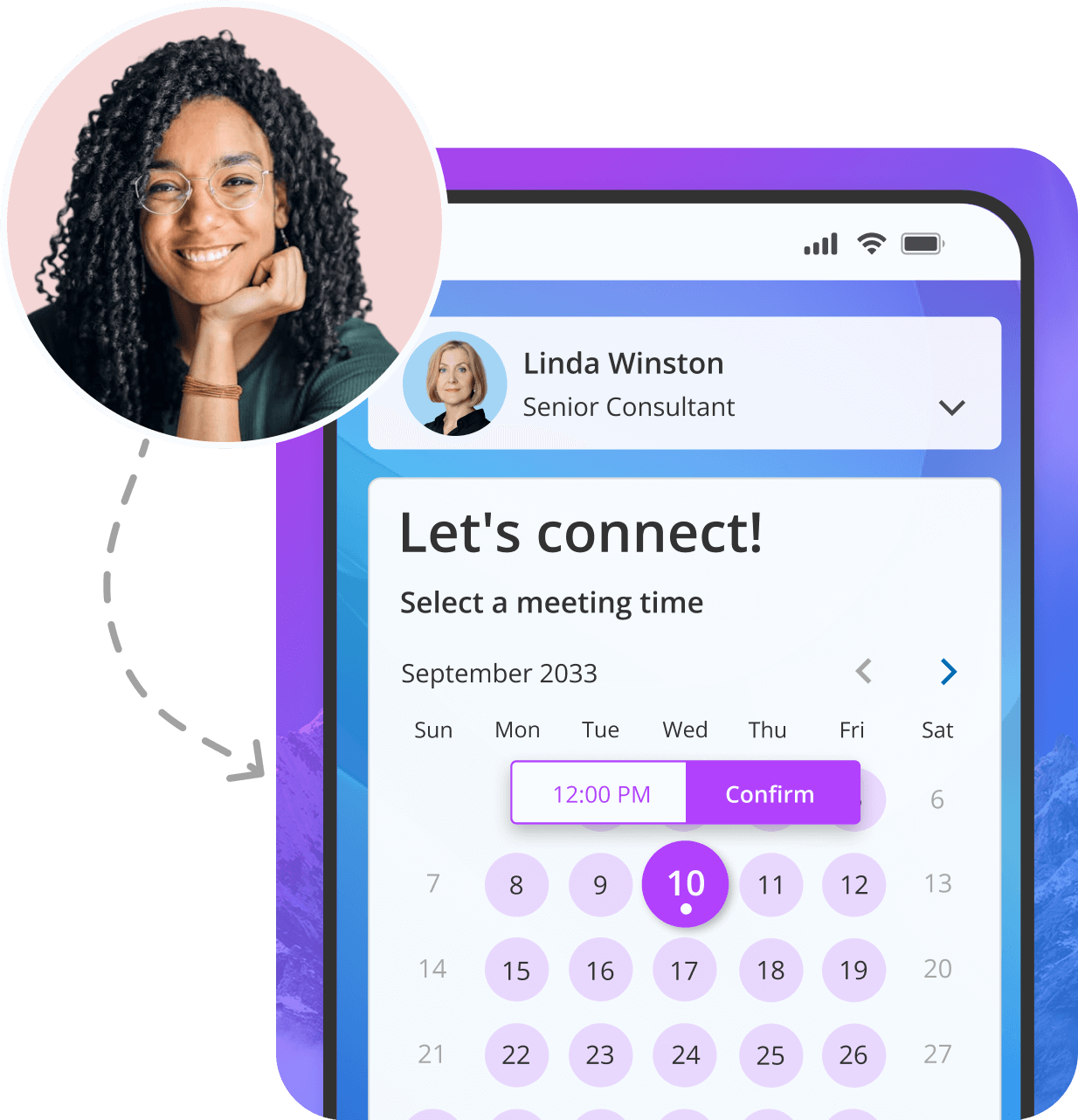
To succeed at setting an appointment, your team needs both the right skills and the right systems. The person making the outreach, whether on the phone or over email, needs to do more than just read a script.
Why both matter: Without the human skill, the process feels robotic and turns clients off. Without a clear process, even the most talented advisor will struggle to organize and scale their efforts. Successful businesses blend the two for consistent, quality results.
With a strong foundation in place, let’s look at 20 specific strategies that your team can use right now to immediately improve your success rate.
20 Tips for Securing Meetings Effectively (Main Strategies)
This comprehensive list of strategies covers both the essential systems you need and the human skills required to book meetings for high-value B2C clients.
Part 1: Strategy & System (Applies to All)
These tips cover the fundamental processes and technologies necessary for any high-performing effort, whether initiated by a person or via a booking link.
1. Target the Right Prospects
Focus your team's energy where it matters most: warm leads are always better than cold calls, especially in high-value sales.
Tip: Use marketing signals. Look for clients who have downloaded a specific white paper, attended a recent event, or visited your pricing page. These actions show high intent and make initial outreach much easier.
2. Use CRM Data
Your customer relationship management (CRM) system is more than just a list of names; it’s a history of engagement.
Tip: Track every touchpoint. Ensure that all meeting outcomes (booked, no-show, or postponed) sync automatically to your CRM. This gives your sales team the full context needed before they jump on the call.
3. Use Analytics to Track Success
You cannot improve what you do not measure.
Tip: Monitor key metrics such as the no-show rate and the conversion rate from a first phone call to a confirmed meeting. This data helps you quickly identify which outreach methods are failing and which need to be scaled up.
4. Use Professional Scheduling Technology
Manual scheduling fails when you have a high volume of high-value prospects.
Tip: Choose tools like OnceHub that automatically handle calendar syncing, client time zone detection, and instant confirmations. These tools free up your sales reps to focus on selling rather than logistics.
5. Train and Coach Regularly
Even the most talented people benefit from structure and practice.
Tip: Roleplay common objections during training. Establish a formal process for continuous improvement so your team is always ready to handle tough questions professionally.
6. Always Follow Up Post-Appointment
The work is not done when the meeting ends. The follow-up is critical for securing meetings for the next stage.
Tip: Send a thank-you email immediately after the meeting, clearly outlining the next steps and any action items you agreed on. This prevents momentum loss and sets the stage for a strong ongoing relationship.
Part 2: Proactive Outreach (Host-Initiated Scheduling)
These tips focus on the human skills required when a sales rep actively reaches out to a prospect for a high-value B2C service.
7. Research Prospects Before You Call
Being unprepared for a high-ticket client is a guaranteed way to fail.
Tip: Use LinkedIn, company sites, and industry news to gather background. B2B research shows that 82% of buyers say sales reps are unprepared. Show them you are in the minority by referencing a specific pain point they face.
8. Find and Reach Decision-Makers
In high-value sales, you need the person who can say "yes."
Tip: Examine the company hierarchy. If a gatekeeper says the manager is too busy, ask for the best email address or the specific challenge they are trying to fix. This keeps the conversation focused on value rather than access.
9. Use Multi-Channel Outreach
Never rely on just one way to contact a potential client.
Tip: Combine phone calls, email, and LinkedIn messages over days or weeks to reach your target audience more effectively and achieve a higher response rate. When you call, reference the email you sent yesterday to ensure continuity.
10. Ask if They’re Available to Talk
Politeness builds goodwill and shows respect for a client’s busy schedule.
Tip: Use a respectful opening script before diving into your pitch. Instead of launching into details, simply ask: "Hi [Name], I know I caught you unexpectedly. Do you have a quick 30 seconds for a problem I think we can solve?"
11. Frame the Initial Ask as a Quick Exchange
High-ticket clients have little free time; respect it upfront.
Tip: Focus on saving the prospect's time. Use language that emphasizes brevity: "I just need 10 minutes to check for a potential fit before we book a full consultation." This lowers the commitment needed for the first meeting.
12. Show Genuine Interest
You are trying to secure a meeting, not read a commercial.
Tip: Do not pitch immediately. Start the call by asking questions about the prospect’s current challenges or frustrations to build rapport and identify where you can truly help them.
13. Avoid High-Pressure Tactics
In high-ticket B2C, a consultative approach works far better than pushy language.
Tip: Use a helpful, advisory tone. Excessive pressure is a turnoff and makes the client question your long-term trustworthiness. The focus should be on solving a problem, not selling a contract.
14. Build Trust First, Sell Later
Remember, the goal is the meeting, not the sale itself.
Tip: Focus on building rapport and establishing credibility over simply sticking to a rehearsed script. When the client trusts you and sees you as a source of qualified leads , the scheduling becomes a simple, logical next step.
15. Share Social Proof and Testimonials
Credibility is currency in high-value services.
Tip: Build credibility quickly by citing successful case studies or client brands relevant to the prospect's industry or pain point.
16. Master the Warm Transfer
If the person you reached needs a specialist, speed up the process.
Tip: Bring other necessary specialists or stakeholders into the call live. This maintains momentum and significantly reduces follow-up delays that often kill a deal.
17. Create Urgency Without Pressure
Urgency encourages action, but it must be authentic.
Tip: Use authentic reasons, such as limited slots for a free diagnostic review, industry-specific timing (e.g., end-of-quarter budget cycles), or seasonal constraints. Avoid fake scarcity.
18. Create a Quick Outreach Cadence
Every piece of your outreach—email, text, or call—needs a clear purpose.
Tip: Structure your initial touchpoint script for high-impact relevance and a single, clear next step: "Are you open to a 15-minute diagnostic call next week?"
Part 3: Self-Service Automation (Customer-Initiated Scheduling)
These tips focus on optimizing the automated tools that enable clients to secure their own appointments quickly.
19. Respect Time Zones and Availability
A core function of automated scheduling is accuracy.
Tip: Use scheduling software to automate time zone detection. This ensures the client always sees your accurate, local availability, eliminating back-and-forth emails and frustration.
20. Be Specific About Meeting Times
Clear instructions improve the self-service experience.
Tip: When sharing a link, the system should present clear, committed options (e.g., "Tuesday at 2 PM"). Always follow up with an automated, professional confirmation email that includes the video meeting link and an easy reschedule option.
While human skill is crucial for sales success, the biggest competitive advantage comes from using technology to manage volume and quality. Let's look at why manual scheduling cannot keep up.
How Appointment-Setting Software Can Help You Scale?
As your high-value service business grows, relying on manual scheduling quickly becomes the biggest bottleneck. Asking your advisors or support staff to coordinate every client meeting via email is not scalable. It wastes valuable time and introduces human error, both of which directly affect the quality of your service.
The solution is moving to a structured system that supports your human effort. Here are the features needed in a system to maintain quality and personalization while managing volume:
A professional platform that brings these features together, like OnceHub, ensures that every high-value client interaction is handled with the same high level of quality and professionalism, even as your client base expands.
As you build your systems, it is essential to monitor your success. Let’s look at the specific metrics that define the return on investment of professional scheduling.
Measuring ROI of Appointment Setting
When you invest in professional appointment-setting technology, you need to track the return on investment. It’s not enough to feel busy; you need to see a clear path from the software cost to your profit. Here are the key metrics that truly measure the value of your system:
-
Cost Per Appointment (CPA): How much does it cost you in time and technology to book one qualified meeting? By tracking this, you can quickly find areas to cut spending.
-
Conversion Rate: This metric shows the success of your outreach. Look at the percentage of initial contacts that turn into confirmed meetings. Improving this rate means your team is spending less time on cold outreach and more time on high-value conversations.
-
Pipeline Value: Every booked meeting has a potential value. Tracking the total value of meetings secured through your system shows its direct impact on your sales pipeline.
You can do a simple calculation to check your ROI: If a scheduling tool saves your high-value advisor five hours of manual coordination per week, those five hours are immediately available for client calls. That saved time directly leads to higher revenue.
Final Thoughts
Look at your calendar as your most valuable resource. We’ve covered 20 strategies, and the main lesson is clear: relying on manual effort to secure meetings for your high-value service business simply doesn't work at scale. You need to combine the human skill of authentic outreach with the speed and reliability of automation.
The ability to master the first step - setting an appointment—is what separates growing businesses from those stuck in a constant loop of administrative work. By adopting structured processes and modern tools, you free up your advisors to focus on building trust and closing deals.
Ready to stop wasting time on logistics? Try OnceHub free and see how a smarter scheduling system can keep your calendar full of qualified meetings.
Frequently Asked Questions
What is the difference between setting an appointment and closing a sale?
Setting an appointment is the first strategic goal, focused on converting a lead into a scheduled meeting. Closing the sale is the result of the meeting itself. Without mastering the efficient, professional process of securing the meeting first, the revenue opportunity can never move forward.
How does automation support the human element in high-ticket sales?
Automation handles all the logistics—calendar syncing, reminders, and follow-ups. This frees up the advisor to focus entirely on the human element: research, personalized outreach, and active listening. The technology manages the volume, so the person can focus on quality and building trust.
Why is a short booking window essential for high-ticket services?
A short booking window (e.g., 48 hours) is essential because it reinforces the client's sense of urgency and commitment. In high-value sales, if you let too much time pass between initial interest and the meeting, the client may lose momentum or find a competitor.
What is the fastest way to get a lead to agree to a first meeting?
The fastest way is to frame the initial request as a low-commitment, high-value exchange. Ask for a very short duration (e.g., "10 minutes to check for a potential fit") and provide a clear, one-click way to secure the time. This lowers the barrier to entry while respecting their limited time.